
Living Room Interior Design Ideas That Actually Work in Indian Homes
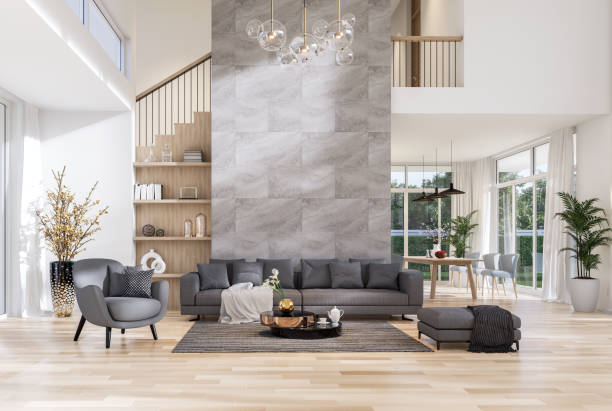
The living room in an Indian home carries a lot of weight. It is where guests are received, where families spend evenings together, where festivals are celebrated, and in many homes, where children study and elders rest. Unlike Western interiors where the living room might be a single-purpose lounge, the Indian living room is expected to do many things at once — and look good while doing all of them.
That is what makes designing it genuinely challenging. Generic design advice pulled from Pinterest or international magazines often looks stunning in photographs but falls apart in real Indian homes — different proportions, different natural light, different family dynamics, and different cultural needs.
This guide covers ideas that are practical, proven, and actually suited to how Indian families live — the kind of insights experienced interior designers in Delhi NCR apply when designing modern Indian homes.
Start With the Layout, Not the Furniture
The most common mistake people make when designing a living room is buying furniture first and planning the layout later. This approach almost always leads to a space that feels overcrowded, has poor traffic flow, or simply does not function well.
Before anything else, map out the room on paper. Mark where the doors are, where the windows fall, and where the natural light comes in. In most Delhi apartments, the living room faces either the main entrance or the balcony — this determines the natural focal point of the room.
The focal point is where your eye goes first when you enter. In Indian homes, this is typically the television wall or a decorative feature wall. All the furniture should be oriented around this focal point, not scattered randomly.
A simple rule: leave at least 90 cm of clear walkway between pieces of furniture. In smaller living rooms — which is the reality for most 2BHK and 3BHK apartments in Delhi — this means being very disciplined about how many pieces you bring in.
Experienced architects in Delhi and interior professionals often begin projects with detailed space planning before finalising any furniture or décor selections.
Getting the Sofa Right
The sofa is usually the largest investment in a living room and the piece that sets the tone for everything else. A few principles that specifically apply to Indian homes:
Size Relative to the Room
A three-seater sofa works well in most standard Delhi apartment living rooms. An L-shaped sofa can work beautifully but requires enough floor area to breathe — if it fills more than 40% of the floor space, it will feel suffocating.
Fabric Choice for the Indian Climate
Delhi summers are brutal and winters are dry. Velvet sofas photograph magnificently but collect dust and sweat noticeably in Indian climates. Tightly woven fabrics like linen blends, cotton, or performance fabrics are easier to maintain and age better. Leather is durable but can feel uncomfortably warm in summer without air conditioning.
Colour Strategy
Neutral base colours — warm whites, soft greys, muted beiges, warm taupes — give you the flexibility to change the look of the room with cushions and throws without replacing the sofa. Indian homes tend to have richer colour accents in textiles and art, and a neutral sofa allows those elements to shine.
Many homeowners working with the best interior design company in Delhi choose neutral foundational furniture because it offers long-term flexibility as trends evolve.
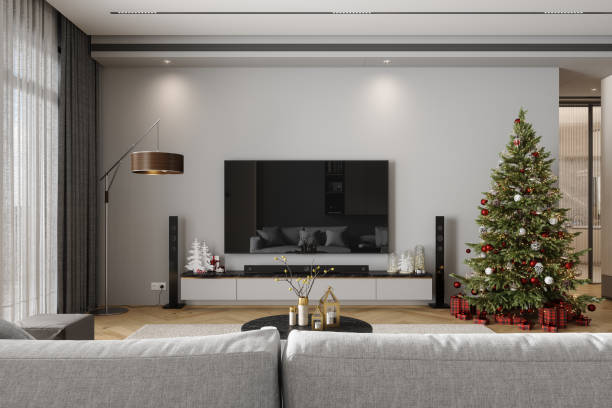
The LCD/TV Wall: More Than Just Mounting a Screen
In most Indian living rooms, the television wall is the central design element. How it is treated determines whether the room feels pulled together or incomplete.
A plain mounted TV on a painted wall is the most economical approach, but it rarely looks finished. A few approaches that work well in Indian homes without requiring a major renovation:
Panel Cladding
Wood-finish panels, fluted panels, or PU boards behind and around the TV create a framed, intentional look. Fluted wood panels in particular have become very popular in Delhi interiors — they add texture, photograph well, and work with both modern and traditional aesthetics.
Floating TV Unit
A wall-mounted TV unit with closed and open shelves is practical and visually clean. The closed sections hide cables, set-top boxes, and routers. The open sections allow for display — books, small plants, curated objects.
Feature Wall With Wallpaper or Paint
A single wall treated differently from the rest of the room creates depth. Textured wallpaper, geometric wallpaper, or even a bold paint colour on the TV wall can transform the entire feel of the room without touching anything else.
One important detail: manage the cables. A beautifully designed TV wall is undone by cables running visibly down the wall. Conduit pipes hidden behind the wall during installation, or cable management covers, make a significant difference to the finished look.
Lighting: The Most Underestimated Element
Most Indian homes rely entirely on a single overhead light — typically a ceiling-mounted fixture or a fan with a light kit. This produces flat, harsh illumination that makes even a well-furnished room look dull.
Good living room lighting uses at least three layers:
Ambient Light
This is the main, general illumination. A false ceiling with recessed spotlights or LED strips is the cleanest way to achieve this. It distributes light evenly without harsh shadows.
Accent Light
Accent lighting draws attention to specific things — a painting, a shelf display, or a textured wall. Small spotlights, picture lights, or LED strip lighting inside shelves all work for this purpose.
Task and Mood Light
A floor lamp in a reading corner, table lamps on a console or side table, or wall sconces all add warmth and make the room feel layered rather than clinical.
In Delhi, where summer evenings are often spent indoors with the air conditioning on, a well-lit living room with warm light temperature (between 2700K and 3000K) feels welcoming and comfortable.
Professionals specialising in residential interiors — including leading interior designers in Delhi NCR — often treat lighting as equally important as furniture selection because it dramatically changes how materials and colours appear.
Colour and What Indian Light Does to It
Natural light in Indian homes is different from the light in European or North American interiors that inspire most design content. Indian sunlight is intense, warm, and directional — it can wash out pale colours during the day and make dark colours feel oppressive in artificial light at night.
A few principles that work specifically for Indian living rooms:
- Warm neutrals perform better than cool ones.
- One accent wall is usually enough.
- Test paint swatches on the actual wall before committing.
Deep tones like terracotta, navy, forest green, and charcoal often work particularly well in Indian homes when balanced with lighter neutrals.
An experienced architect in Delhi will usually consider both natural and artificial light conditions before finalising colour palettes for residential interiors.
Storage That Does Not Look Like Storage
Indian households accumulate things. Extra cushions, board games, magazines, children’s toys, remote controls, charging cables, and festival decorations all need to live somewhere.
Smart storage design means building it in rather than adding it later.
A few approaches that work especially well:
- Built-in TV wall storage
- Storage ottomans
- Under-seat sofa storage
- Console tables near the entrance
The visual rule: if you have open shelves, keep displayed items to a maximum of 70% of the shelf space. Leave some empty space so the room feels curated instead of cluttered.
This is one of the reasons homeowners increasingly prefer working with the best interior design company in Delhi rather than furnishing rooms piece by piece over time.
The Rug: Often Skipped, Always Noticed
Rugs are one of the most impactful and most skipped elements in Indian living rooms. They anchor the seating area, add warmth, reduce echo, and define zones in open-plan spaces.
The most common mistake is choosing a rug that is too small. A rug should be large enough that at least the front legs of every sofa and chair sit on it.
For Indian homes with marble or vitrified tile flooring, a flat-weave or low-pile rug is usually more practical than a high-pile rug.
Balancing Indian Aesthetics With Contemporary Design
Many Delhi homeowners want a living room that feels modern and global but still has a sense of place — something that reflects Indian sensibility without feeling dated or heavy.
This balance is achievable.
A few combinations that work well:
- Contemporary furniture with Indian textile accents
- Natural materials like cane, jute, and wood
- Original artwork or curated gallery walls
Local art and handcrafted textiles add warmth and individuality without making the room feel overly traditional.
Design studios and interior designers in Delhi NCR increasingly combine modern layouts with Indian textures and materials to create homes that feel contemporary yet culturally grounded.
A Word on What to Avoid
A few patterns consistently do not work well in Indian living rooms:
All-White Rooms
Beautiful in photographs, difficult to maintain in Indian conditions with dust, humidity, and daily family use.
Too Many Patterns
An overload of prints across cushions, curtains, rugs, and upholstery creates visual noise.
Furniture Against Every Wall
Floating the sofa slightly away from the wall creates a more intimate and layered seating arrangement.
Ignoring the Ceiling
Even a simple cove light detail or subtle ceiling treatment can elevate the entire room.
These details are often what separate average interiors from spaces designed by an experienced architect in Delhi or a professional residential design team.
Bringing It Together
A well-designed living room in an Indian home is not about following a single style or copying a mood board. It is about understanding how the space is actually used, choosing materials that suit the climate and lifestyle, getting the light right, and building in enough storage to keep clutter under control.
The principles — good layout, layered lighting, proportionate furniture, cohesive colour, and thoughtful storage — are consistent across budgets and styles.
The specific choices within each of those principles are where personal preference, family need, and cultural sensibility come in.
That intersection is where the best Indian living rooms are found.
MM Design Studio is a New Delhi-based interior firm working across residential and commercial projects in Delhi NCR. Their work includes living rooms, bedrooms, modular kitchens, and complete home interiors for clients looking for experienced interior designers in Delhi NCR, an expert architect in Delhi, or the best interior design company in Delhi for modern residential spaces.
FAQs
What is the best layout for a small living room in an Indian apartment?
The best layout for a small Indian living room focuses on clear movement and minimal visual clutter. Instead of filling every wall with furniture, prioritise a comfortable sofa, a compact centre table or ottoman, and wall-mounted storage. Keeping at least 90 cm of walking space between furniture pieces helps the room feel more open and functional.
Which sofa fabric works best for Indian weather conditions?
For Indian homes, especially in cities like Delhi, breathable and durable fabrics work best. Linen blends, cotton fabrics, and performance upholstery are easier to maintain in dusty and hot conditions. Velvet and heavy suede may look luxurious but usually require more maintenance and can feel uncomfortable during summer months.
How can I make my living room look modern without a complete renovation?
Small changes can significantly improve the look of a living room without major construction work. Updating the lighting, adding a textured TV wall, changing curtains, introducing a large rug, and using warm neutral colours can instantly modernise the space. Layered lighting and clutter-free storage also make a major visual difference.